Introduction
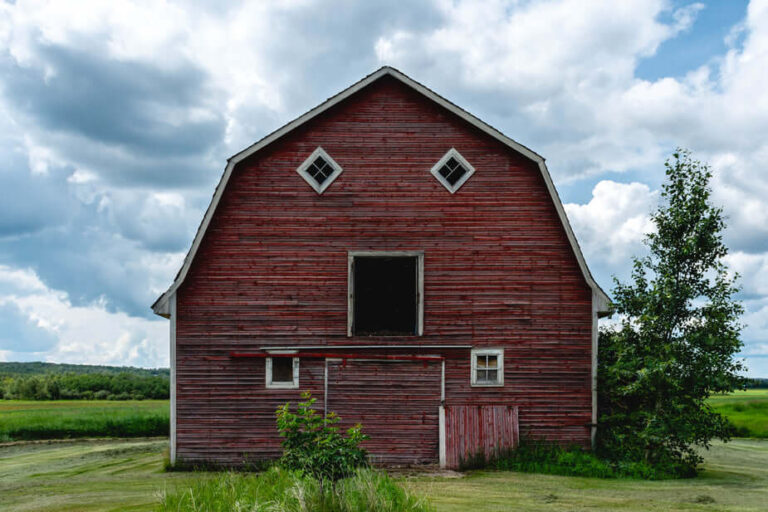
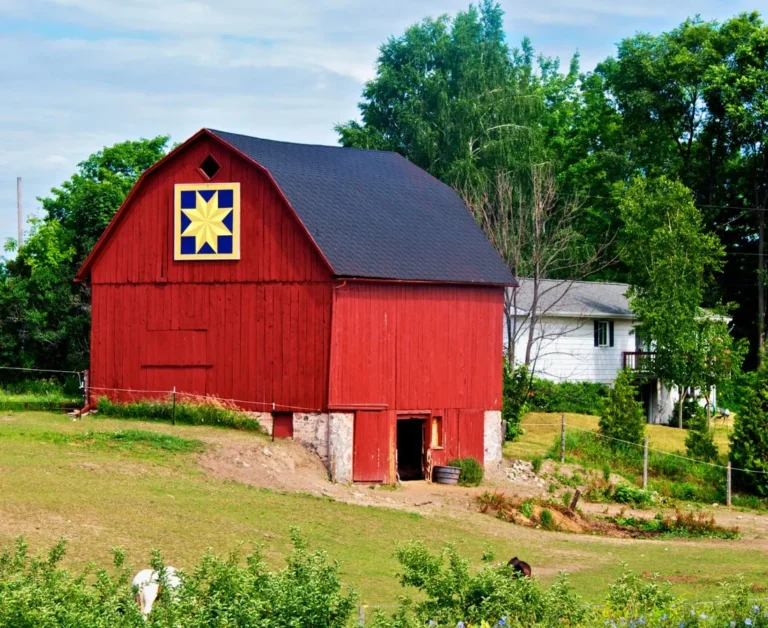
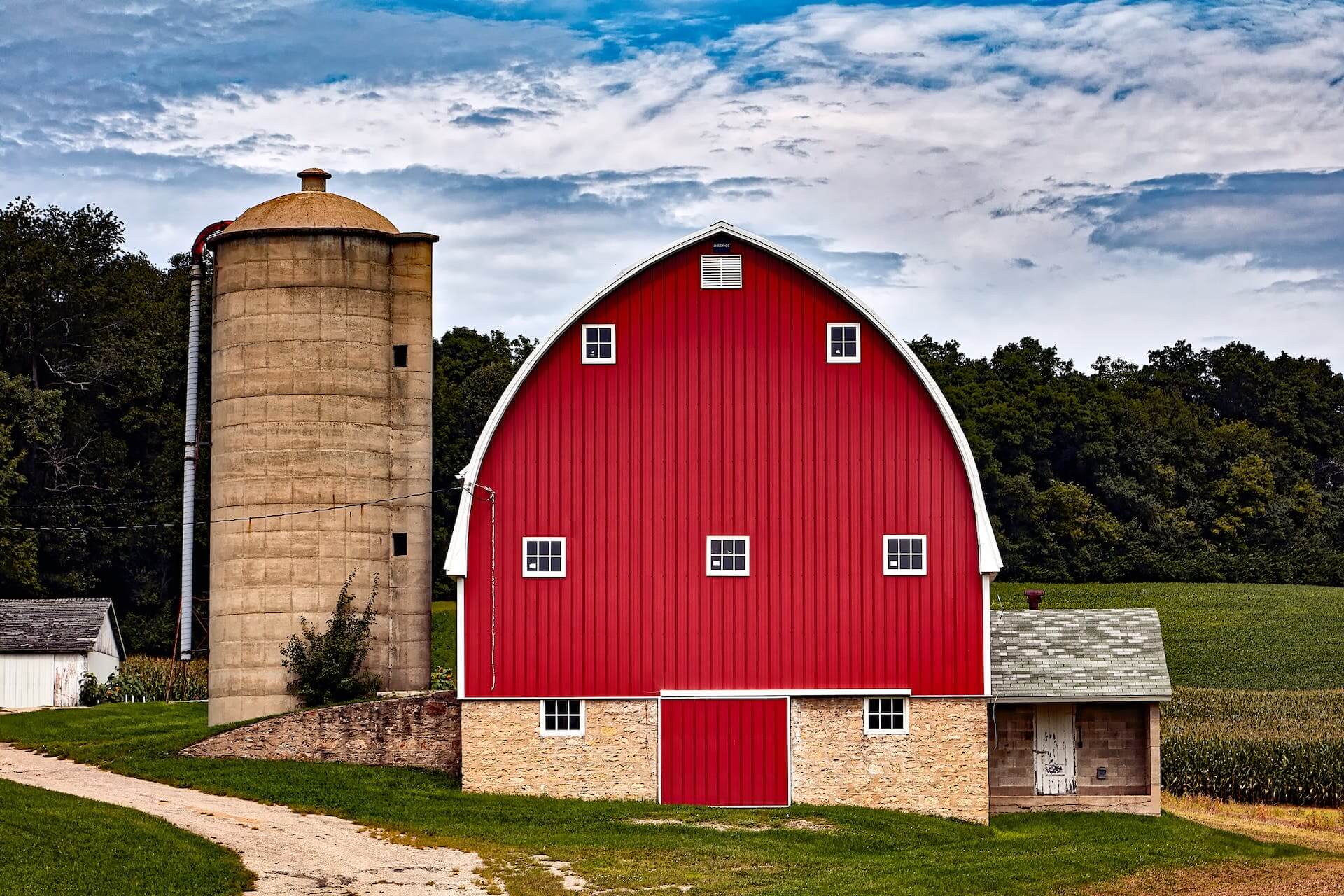
If you’ve ever taken a road trip through the countryside, you’ve probably noticed something interesting: barns almost always seem to be painted red. It doesn’t matter whether you’re driving through Iowa, Ohio, Texas, or Pennsylvania—those big wooden structures proudly glow in shades of bright, deep, or weather-worn red. But have you ever stopped and asked yourself why barns are red in the first place?
Is it just a tradition? A paint trend? Some secret farming superstition? Or did farmers know something we didn’t?
Well, the truth is a mix of science, history, economics, and even a bit of folk wisdom. And once you understand the real story behind red barns, you’ll never look at one the same way again.
Let’s break down why red became the unofficial uniform of American barns—and why the tradition still stands today.
1. The Tradition of Red Barns: Where It All Started
1.1 Early Farmers and Their Color Choices
Long before paint stores existed, farmers had to rely on whatever resources they had available on the land. Most barns weren’t painted at all—they were simply wooden structures left to weather naturally. But unpainted wood doesn’t last long. It weakens, rots, and falls apart in harsh weather. Farmers needed a way to protect their investment.
So what did they do? They made their own paint.
This homemade paint recipe wasn’t fancy. Farmers mixed:
- skimmed milk
- lime
- linseed oil
- and whatever pigment they could find
The most common pigment? Iron oxide—a naturally occurring compound found in soil. And guess what color iron oxide is?
Bright red.
So early farmers didn’t choose red for style. They chose it because it was cheap, accessible, and amazingly effective.
1.2 Why Red Became a Cultural Symbol
Once many barns were painted red, something interesting happened. Newer farmers adopted the color—not because of the science this time, but because of tradition.
Red barns soon became a symbol of:
- stability
- warmth
- hard work
- abundant farmland
- rural Americana
When people lined countryside roads with miles of farmland, the sight of red barns became a familiar comfort. Red barns were no longer just buildings—they were part of a lifestyle.
2. The Science Behind Red Paint
2.1 The Role of Iron Oxide (Rust) in the Color Red
Iron oxide may sound like a chemistry term, but it’s basically rust. This pigment was easy to find in soil and could be mixed into oil-based paint. When added, it created a strong, lasting red tone that clung well to wood.
Iron oxide wasn’t just a color enhancer—it had a powerful benefit. It killed fungi, mold, and moss. These were major threats to barn structures. Red paint didn’t just look good; it kept the building from rotting away.
2.2 Why Red Paint Was Cheaper and Easier to Make
As paint manufacturing evolved in the 1800s, red paint became mass-produced. Because iron oxide is so abundant, red paint was cheaper than other colors. White paint was too expensive for many farmers. Blue and green were luxury shades.
So farmers, being practical and budget-conscious, kept buying red paint long after homemade mixtures faded out.
Red was:
- reliable
- protective
- affordable
- and always available
That’s a tough combination to beat.
3. Protection and Practicality
3.1 Red Paint Helped Preserve Wood
Red paint served as an early protective coating. Barns face rain, snow, wind, and humidity—red paint shielded the wood from the elements. It soaked in deeply and created a barrier against decay.
3.2 How Red Paint Helped Control Mold and Fungus
Because iron oxide naturally resists bacteria and mold, red barns stayed healthier longer. Wood rot was a huge issue in old structures, and this natural fungicide kept barns standing strong.
3.3 Why Red Paint Performs Better in Harsh Weather
Red paint absorbs more sunlight, which keeps barns slightly warmer during cold months. That meant safer storage for crops, grain, and animals.
While heat absorption wasn’t the original goal, farmers didn’t mind the benefit.
4. The Economic Impact on Farming Communities
4.1 Cost Matters: Why Red Was the Most Affordable
Farmers were always practical. Red paint was not just cheap—it was the cheapest. When you had hundreds of square feet of barn surface to cover, price mattered.
4.2 Homemade Paint and DIY Mixtures on Farms
Before store-bought options existed, farmers crafted their own “paint stew.” The mixture created a surprisingly durable coating that strengthened the wood.
And because iron oxide was inexpensive, red became the default.
5. Cultural Meaning of Red Barns
5.1 Red as a Symbol of Warmth and Safety
Red is a welcoming color. Many old cultures associated red with:
- protection
- health
- life
- warmth
So red barns carried emotional value, too. They stood as a bright signal of home and harvest.
5.2 How Red Barns Became an American Icon
Over time, red barns appeared in:
- paintings
- children’s books
- farm logos
- classic movies
- tourism brochures
It soon became the unofficial symbol of the American farm.
5.3 Red Barns in Modern Architecture and Tourism
Modern farms and even businesses paint buildings red because it evokes nostalgia. Red barns attract photographers, tourists, and even wedding parties.
6. Why Aren’t All Barns Red Today?
6.1 New Paint Technology and Color Options
Modern paints are cheap, durable, and available in any color you can imagine. Many farmers now choose:
- white
- black
- green
- steel gray
Colors can match branding or blend into the landscape.
6.2 Regions Where Other Colors Became Popular
In cold regions, darker barns are preferred for warmth. In hot regions, white barns are more efficient for keeping the inside cool.
7. Modern Reasons Some Farmers Still Choose Red
7.1 Nostalgia and Tradition
Many farmers keep their barns red simply because their parents’ and grandparents’ barns were red. It’s a way of honoring generational roots.
7.2 Marketing, Aesthetics, and Farm Branding
Red barns are eye-catching and memorable. Farms that invite visitors—orchards, pumpkin patches, dairies—often choose red to reinforce a classic, wholesome image.
Conclusion
So why are barns red? It all comes down to a perfect combination of science, tradition, affordability, and practicality. Early farmers weren’t trying to make an aesthetic statement—they were just doing what made sense. Red paint was durable, protective, cheap, and easy to make. Over time, red barns became woven into American culture, symbolizing rural life and agricultural heritage.
Today, even with endless paint colors available, red barns continue standing proudly across the countryside—a reminder of creativity, resourcefulness, and tradition that has survived for generations.
FAQs
1. Were barns always red?
No, early barns were often unpainted until farmers began using homemade red paint.
2. Why not white barns?
White paint was once expensive, so red became more economical.
3. Does red paint really protect wood better?
Yes, iron oxide helps prevent mold and decay.
4. Do farmers still make homemade paint?
Some traditional farms do, but most use retail paints now.
5. Why do some barns look almost orange?
Different mixtures and aging cause natural shade variations.